Move Freely Again: Why Foot Pain Is Only the Start
Plantar fasciitis can turn simple things like getting out of bed, walking to the shops, or standing in a queue into a real challenge. That sharp, stabbing heel pain with your first few steps in the morning can quickly drain your energy and mood. When every step hurts, it is hard to enjoy walks around Lichfield, days out with family, or even standing to cook a meal.
Plantar fasciitis is irritation of the thick band of tissue on the sole of your foot, called the plantar fascia. It runs from your heel to your toes and helps support your arch. When it is irritated, you often feel pain in the heel or arch, especially first thing in the morning or after sitting for a while.
But here is the key point: effective plantar fasciitis treatment in Lichfield should look at much more than just your feet. How you stand, how you walk, your posture, your work set-up, and your overall spinal health all matter. Foot pain is often a sign that the whole system needs attention, not just one sore spot.
What Plantar Fasciitis Really Does to Your Body
When your heel or arch hurts, your body tries to protect the area without you even thinking about it. You may start to walk on the outside of your foot, shorten your steps, or avoid putting your full weight through the sore heel. This changes the way your joints and muscles work from your feet all the way up to your back.
These changes can lead to:
- Extra strain on the knees and hips
- Tightness in the calves and hamstrings
- Stiffness or discomfort in the lower back
- Tired, achy legs by the end of the day
Over time, you might notice that:
- One leg feels heavier or more tired than the other
- Your balance feels slightly off
- You avoid stairs, hills, or uneven ground
- You feel less confident moving at speed
Daily life can start to shrink. Long walks, sightseeing days, standing at events, or taking the dog for an extra loop around the park can feel like too much. You may sit down more often, or say no to plans that you would normally enjoy, simply because every step feels like hard work.
Beyond the Heel: How Your Spine and Joints Play a Role
Your body is one connected chain, from your head down to your toes. Your spine and pelvis play a big part in how your weight passes through your hips, knees, ankles, and feet with each step. If something is not moving well higher up, your feet can end up dealing with more strain than they should.
Common patterns that can feed into plantar fasciitis include:
- One hip sitting higher or rotating more than the other
- A pelvis that tips forward or backward, changing how you stand
- Flat arches or very high, stiff arches that do not absorb shock well
- Ankles that roll inwards or outwards with each step
When joints in the spine, hips, or feet are not moving well, nearby muscles often tighten up or work harder to compensate. This can pull on the plantar fascia and change how your foot lands. Even small changes in your stride can add up over thousands of steps each day.
A chiropractor will usually look at the whole kinetic chain, not just the painful heel. That often means checking:
- Spinal movement and posture
- Pelvic balance and hip alignment
- Knee tracking when you walk or squat
- Ankle mobility and arch shape
- How your feet move as you walk across the room
By finding and addressing these hidden contributors, treatment can focus on both easing pain and helping your body move better as a whole.
What Plantar Fasciitis Treatment in Lichfield Can Look Like
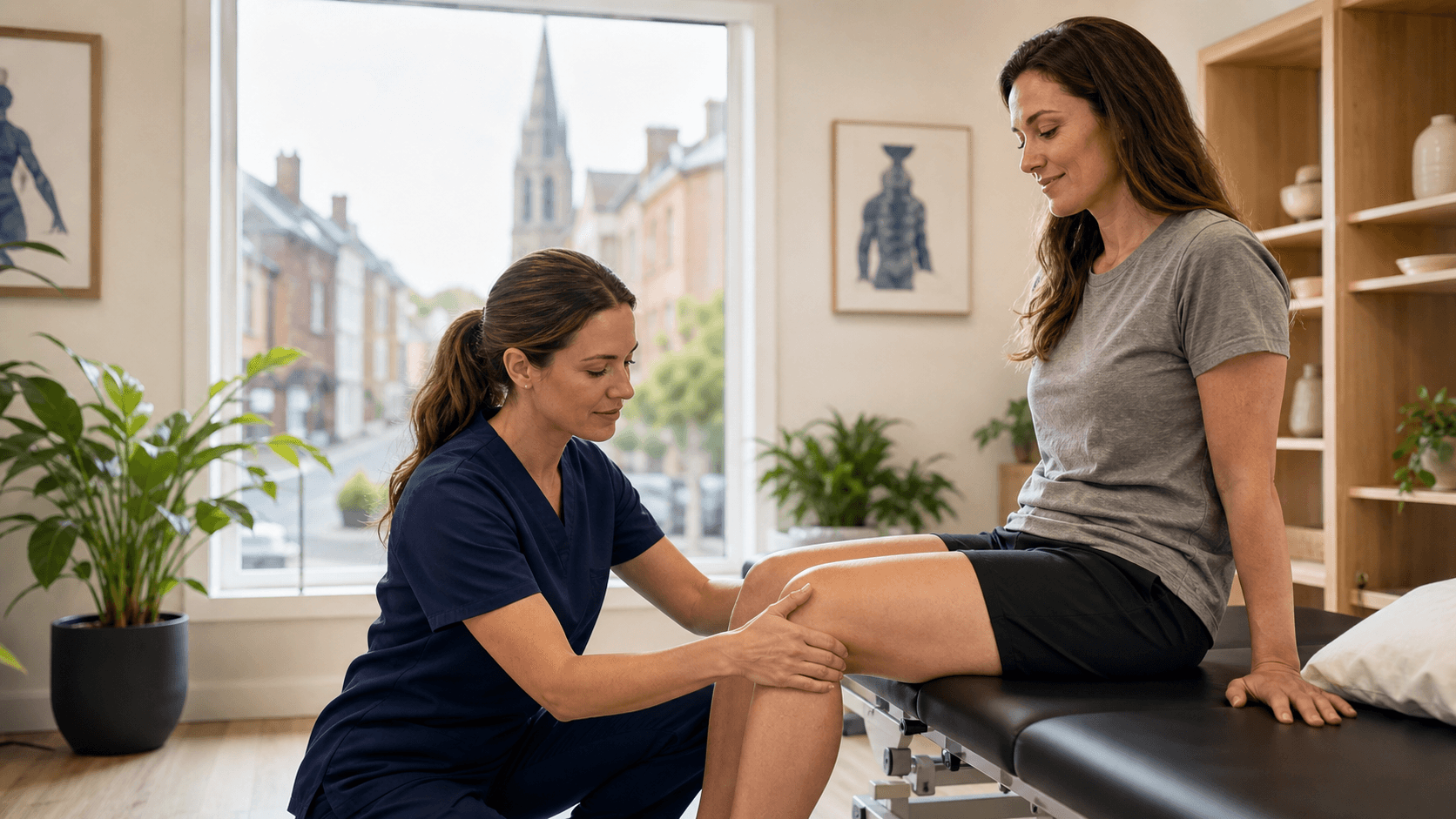
A first visit for plantar fasciitis often starts with a relaxed chat about your symptoms, lifestyle, and health history. We want to know when the pain started, what makes it worse or better, what footwear you tend to use, and what your typical day looks like. This helps us understand the bigger picture, not just the painful area.
An assessment may include:
- Posture checks while you stand and sit
- Watching how you walk, turn, and bend
- Orthopaedic and neurological tests
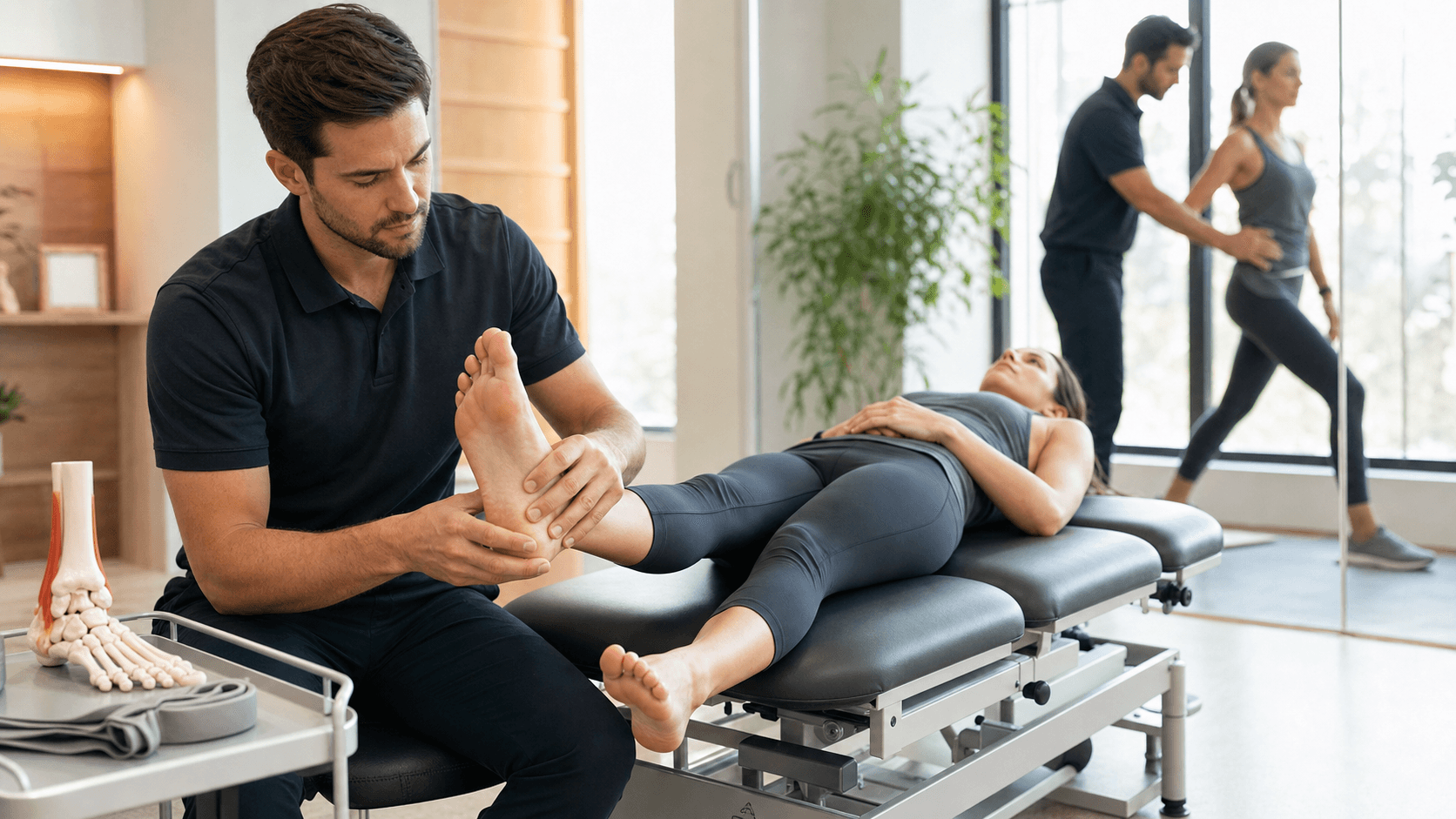
- Specific checks of the heel, arch, ankle, and calf
Treatment is tailored to you, depending on what we find. It may include:
- Gentle chiropractic adjustments to areas of the spine or joints that are stiff or not moving well
- Soft tissue work for tight calf muscles, the plantar fascia, or other overworked areas
- Joint mobilisation to improve movement in the ankles or feet
- Home exercises to support strength, balance, and flexibility
We also often talk through practical, day-to-day changes, such as:
- Footwear tips for work, walking, and time at home
- How to pace your steps and standing time
- Simple stretches and movements to ease morning pain and stiffness
The aim is to help your feet feel better while also improving how your whole body moves and copes with daily demands.
Lifestyle Tweaks That Help Your Feet
Small, steady changes can go a long way in supporting painful feet. While hands-on care can be helpful, what you do between visits can make a big difference too.
Helpful habits can include:
- Building up walking distance gradually, instead of big jumps in step count
- Breaking up long periods of standing or walking with short rest breaks
- Choosing shoes with support and cushioning, rather than very flat or floppy styles
- Avoiding sudden changes in activity, like going from mostly sitting to all-day walking
Simple home-care ideas that some people find useful include:
- Gentle calf stretches, holding for short periods and repeating regularly
- Easy plantar fascia stretches, like pulling the toes back with your hand
- Rolling the sole of the foot over a cool bottle for a short time after busy days
- Light strengthening exercises for the feet and ankles, as advised in clinic
These changes are not meant to replace professional care, but they can support what happens in the treatment room and help your progress last.
Take the Next Step Towards More Comfortable Walking
Plantar fasciitis is rarely just about one sore heel. It affects how your whole body moves, from your spine right down to your toes. By looking beyond the foot and considering posture, joint movement, and daily habits, treatment can work on the root causes, not only the symptoms.
At The Chiropractic Studio in Lichfield, we focus on whole-person care. That means paying attention to how your spine, hips, knees, and feet all work together, and helping you find practical ways to move with more comfort and confidence in everyday life.
Take The First Step Towards Walking Comfortably Again
If heel pain is limiting your day-to-day life, we are here at The Chiropractic Studio to help you move with ease again. Book your tailored plantar fasciitis treatment in Lichfield so we can assess your symptoms and create a plan that suits you. If you have any questions before booking, simply contact us and we will talk you through your options.