Living with Scoliosis in Everyday Life
Living with scoliosis can affect far more than how your spine looks on an X-ray. It can change how comfortable you feel sitting at your desk, walking up Lichfield's slopes, or standing for long periods at local events and markets. Small daily tasks can feel harder when your back is tight, your muscles are tired, or your balance feels off.
There is also the emotional side. Many people worry about their posture, how their clothes sit, or whether their curve will get worse. It can feel lonely or frustrating when others do not quite understand. We want you to know you are not on your own and there is support close to home.
Gentle, personalised chiropractic care can play a role in a wider plan to help you move more freely, feel more balanced, and stay active, even as the weather turns cooler and damper. While scoliosis cannot be "straightened out" by one treatment, the right support can make day-to-day life feel easier and more comfortable.
Understanding Scoliosis Beyond the X-Ray
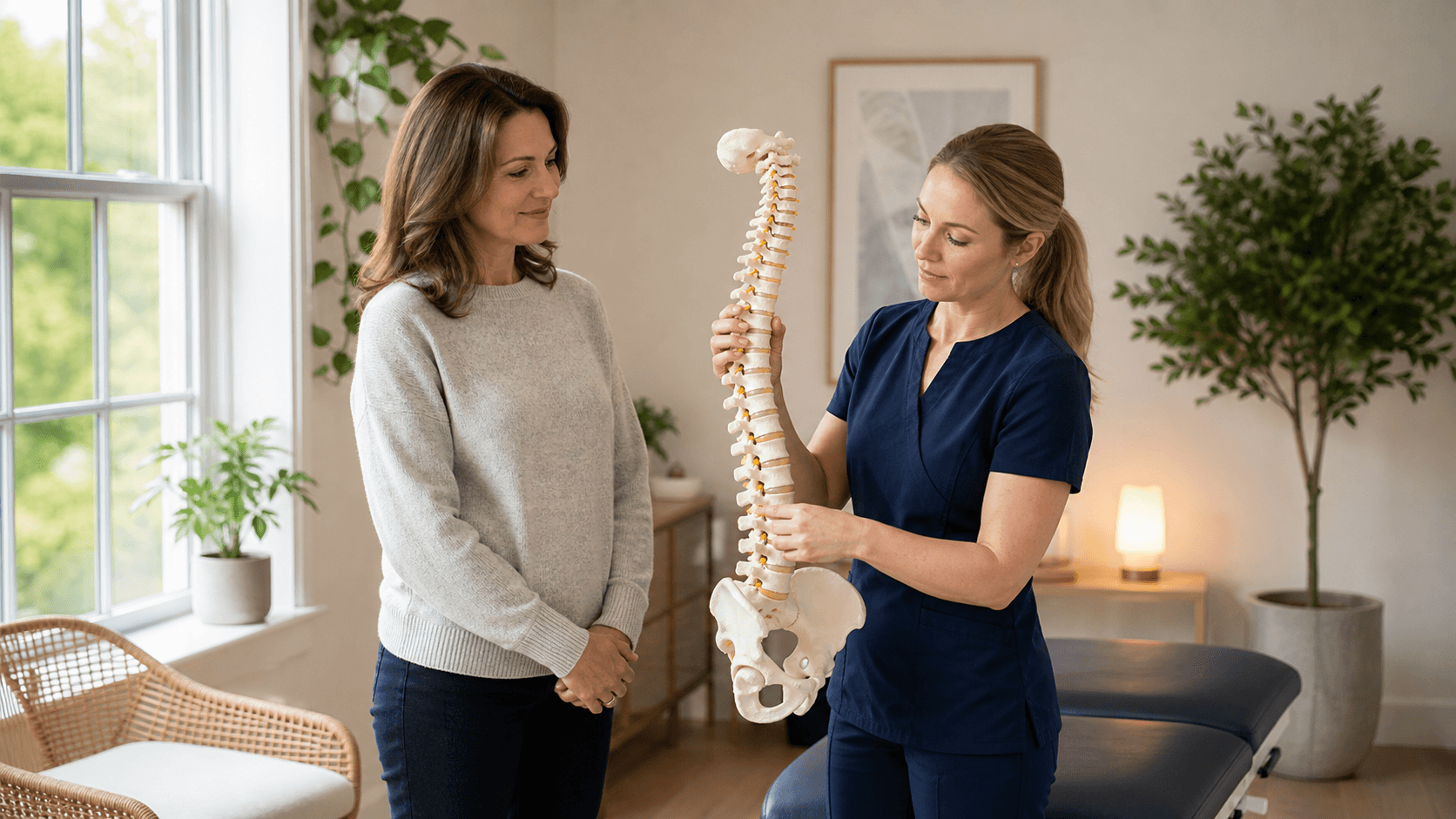
Scoliosis is a sideways curve of the spine, often with some rotation. It can show up at different stages of life for different reasons. Common types include:
- Adolescent idiopathic scoliosis, which tends to appear during the growth spurt in the teenage years
- Degenerative or age-related scoliosis, linked with wear and tear in the joints and discs as we get older
- Functional scoliosis, where the curve is linked to something outside the spine, such as muscle imbalance or a leg length difference
You might notice changes in how your body sits and moves. For example, one shoulder or hip may sit higher than the other, clothes may not hang straight or hems may twist, and your rib cage might stick out more on one side when you bend forward. Many people also feel tiredness, stiffness or a heavy feeling in the back after standing at work, shopping in town, or watching local sports.
Scoliosis affects much more than the picture on an X-ray. When your spine curves, it can change how your ribs move, how your muscles work and how your weight is shared through your joints. This may influence breathing comfort (especially when you are already a bit wheezy or tight), sleep quality because you cannot quite find a good position, mood and patience when pain flares in cold, damp weather, and confidence if you worry people are looking at your posture.
At The Chiropractic Studio, we see the person first, not just the curve. How you feel, what you can do, and what you want to do all matter.
Warning Signs You Should Seek Expert Help
Not every curve needs hands-on care, but there are clear times when it is important to get professional support. These include:
- Back pain that is getting sharper or more frequent
- Pain spreading into the buttocks or legs
- Pins and needles, numbness, or weakness in one or both legs
- Changes in balance, tripping more often, or feeling unsteady when you turn
There are also red-flag symptoms that should be checked urgently by a GP or at A&E, such as:
- Sudden loss of bladder or bowel control
- Severe, unrelenting pain at night that does not ease with rest
- Unexplained weight loss alongside back pain
Some changes are quieter but still important. You might notice you are struggling to keep up on walks around Lichfield, especially on uneven paths, or that the school run, commute, or weekly shop leaves you more exhausted than it used to. You may also feel your posture is worsening, especially once you put on heavier coats and winter layers, or find you are avoiding certain activities because you are afraid of setting your back off.
If any of these sound familiar, it is a sign that your scoliosis may need a closer look from someone trained to assess the spine and nervous system.
How Chiropractic Care Can Support Scoliosis
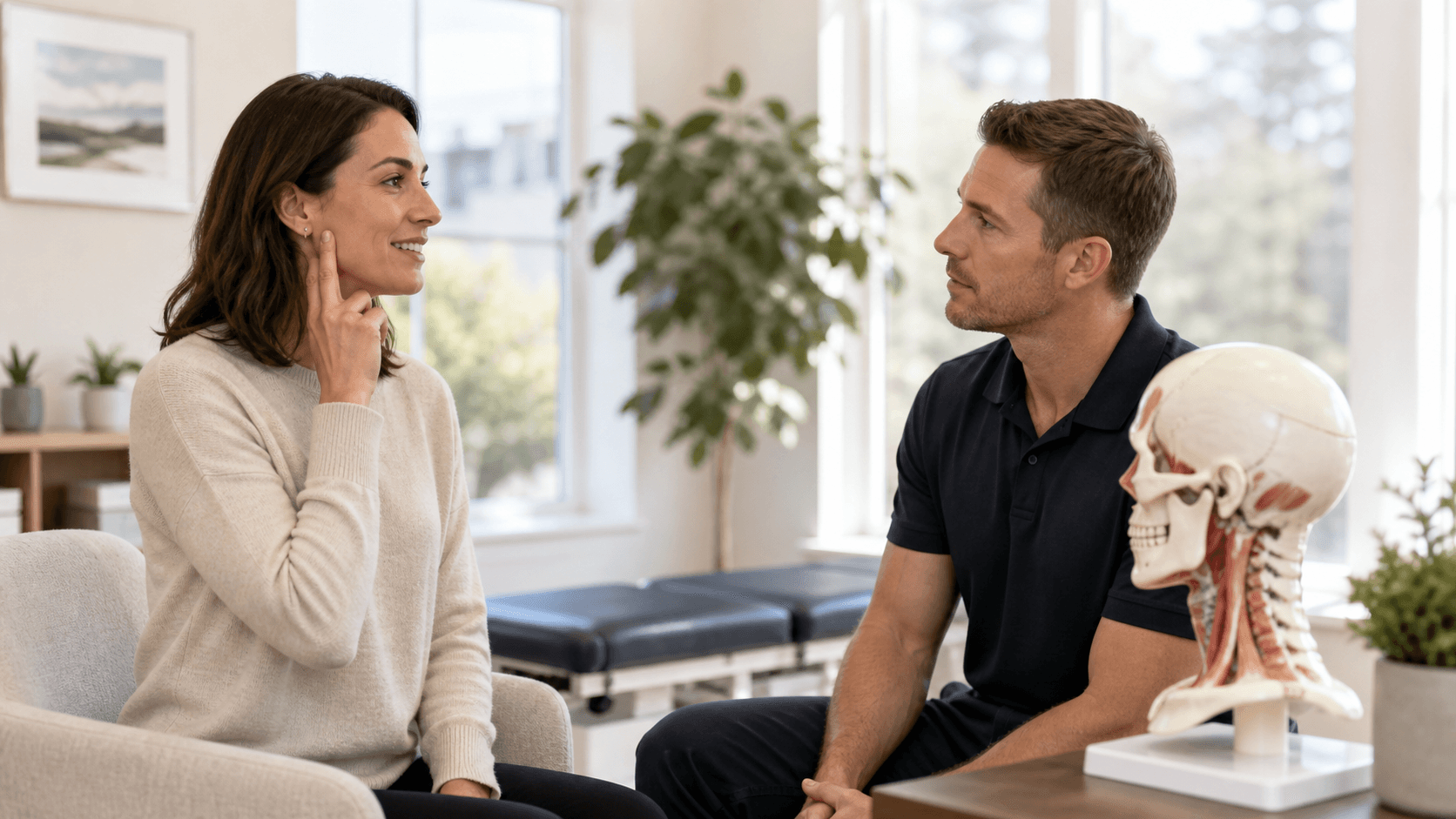
At The Chiropractic Studio in Lichfield, scoliosis care starts with listening. A GCC-registered chiropractor will take a full case history, including:
- When you first noticed the curve or symptoms
- How your back affects work, home life, sleep and hobbies
- Any past tests, scans, or medical advice you have had
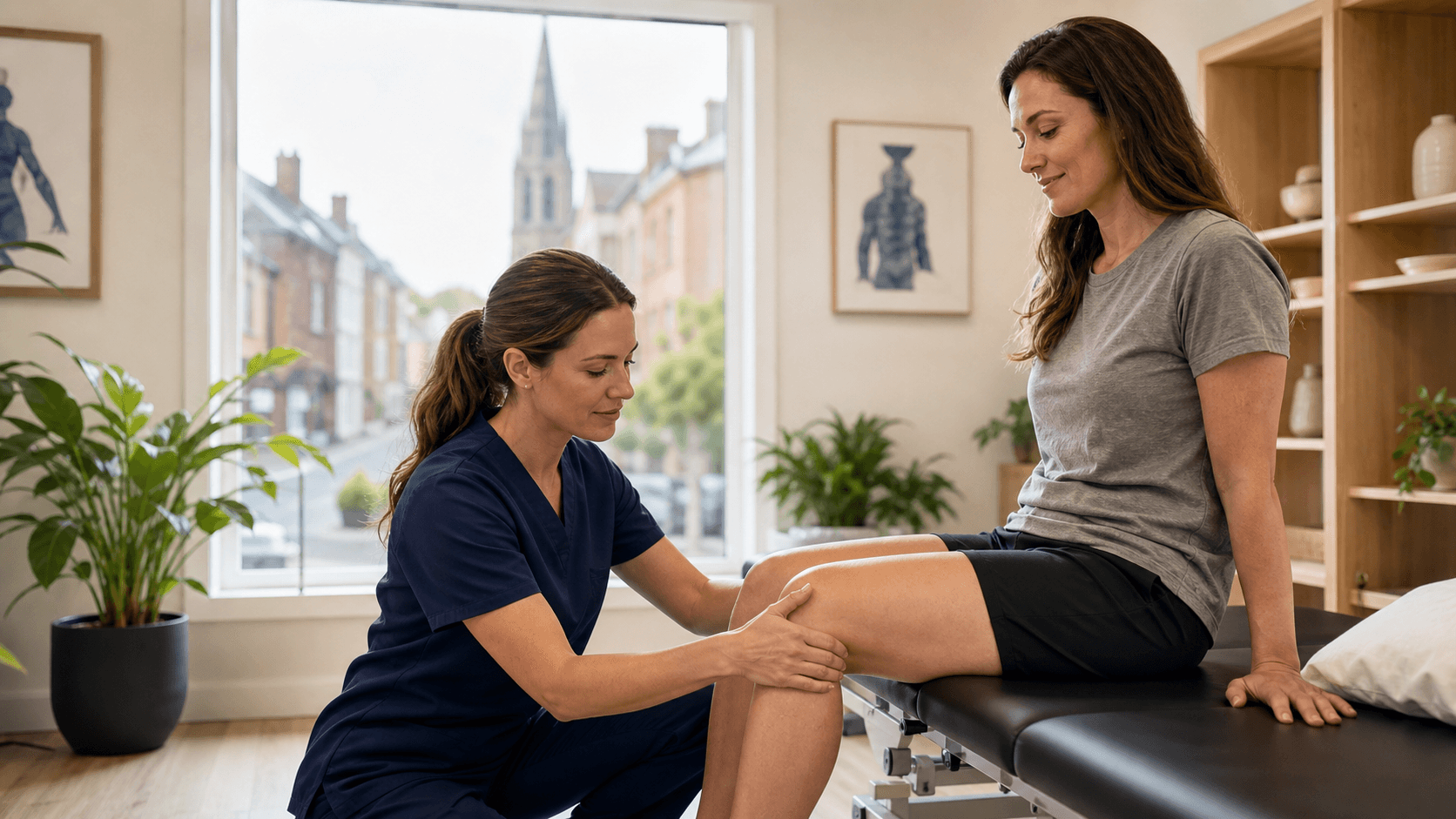
We then carry out a detailed assessment to understand how your spine, muscles, joints and nervous system are working. This may include postural checks from different angles, neurological and orthopaedic tests, and gentle movement tests to see which areas feel stiff or guarded. If needed, we may suggest that you speak with your GP about imaging or a specialist opinion.
Hands-on care is always tailored to you, your curve, your age and your general health. Gentle chiropractic techniques may be used to improve joint mobility where things have become stiff, reduce tension in overworked muscles, and support better movement patterns through the spine, hips and shoulders.
Care is rarely just adjustments. It can also include:
- Soft tissue work to ease tight muscles and trigger points
- Acupuncture, where appropriate
- Advice on pacing your day and breaking up long periods of sitting or standing
- Tips for sleeping positions that are kinder to your back as nights get colder
The aim is to help your body cope better with the curve, reduce pain where possible, and support you in staying active in ways that feel safe.
Building Strength, Flexibility and Confidence
Hands-on care works best when paired with the right exercises. With scoliosis, we often focus on:
- Core strength, to give your spine more support
- Hip and pelvic mobility, so your lower body can share the load
- Upper back and shoulder mobility, to ease tension where the curve twists
- Postural awareness, so you notice small shifts before they turn into big problems
We may guide you through simple movements that you can do at home in short bursts. These are usually gentle and targeted, not long, punishing workouts.
Everyday lifestyle tweaks also matter. Adjusting your chair and screen height can help so you are not always leaning to one side, and supportive footwear can make a difference, especially on wet, uneven pavements. It also helps to carry bags in a way that does not load one side all the time, and to plan regular movement breaks when colder weather makes it tempting to stay still for hours.
Staying active through autumn and winter does not have to mean pushing through pain. Many people with scoliosis do well with:
- Steady walks in local parks on good paths
- Indoor classes that focus on gentle strength, control and breathing
- Short stretching sessions at home on days when you feel stiff
The key is to listen to your body, rather than forcing it. Some days you may do more, some days less, and that is okay.
Choosing Scoliosis Support That Suits You
If you are thinking about scoliosis treatment in Lichfield, it helps to know what to look for. You might want:
- A chiropractor who is GCC registered
- Clear explanations about what they are doing and why
- Realistic goals, not promises to "fix" or "cure" your curve
- Someone happy to co-ordinate care with your GP or consultant when needed
At The Chiropractic Studio, our approach is to build a plan around you. That can mean:
- Personalised care plans based on your assessment and aims
- Ongoing re-assessment so we can track changes and adapt as needed
- Open conversations about your pain levels, function and lifestyle goals
Scoliosis care is not one-size-fits-all, and support can be adapted for different stages and lifestyles, including children and teenagers who are still growing, busy parents who are lifting children, bags, and buggies, desk workers who sit for long hours, and older adults who want to stay steady and active through colder, darker months.
Living with scoliosis does not mean you have to put life on hold. With the right guidance, many people find they can move more freely, manage pain better, and feel more at home in their body, whatever the season.
Take The Next Step Toward A More Comfortable Spine
If you are ready to address your spinal concerns with gentle, evidence-informed care, we are here to help at The Chiropractic Studio. Our tailored approach to scoliosis treatment in Lichfield focuses on easing discomfort and improving how your body moves day to day. Book an appointment or contact us with any questions, and let us discuss the most suitable next steps for your spine health. Together, we can work towards helping you move with more confidence and comfort.