When Knee Pain Stops You from Enjoying Lichfield Life
Persistent knee pain can creep up on you. At first it is a slight twinge on the school run or a bit of stiffness on the walk around Stowe Pool. Over time it starts to colour everything, from standing at events to climbing the stairs at home, until you catch yourself planning your day around what your knees might cope with.
Many people in Lichfield simply put up with it. They cut their walk short, sit out games in the park or avoid kneeling in the garden. The problem is that "just coping" often changes how the whole body moves. You might lean more on the other leg, twist your hips, flatten your feet or grip with your lower back. This can lead to new aches, extra stiffness, reduced activity, weight gain and a gradual drop in mood and confidence.
At our chiropractic clinic in Lichfield, we take a whole-person view of knee pain. We are not only interested in the sore area around the joint; we are interested in how you stand, walk, sit at work, exercise and rest. Your knee pain is often a signal that something about your overall movement pattern needs attention.
What Your Knee Pain Is Really Trying to Tell You
Knee pain can start for many different reasons. Sometimes the joint surfaces are irritated, or the cartilage has worn over time. Tendons and ligaments around the knee can be strained by overuse, past sports injuries or repetitive positions at work. Changes in your usual activity, including more hills or uneven paths as you get outdoors, can also wake things up.
But the true story often starts away from the knee itself. Common hidden contributors include:
- Stiff ankles that stop your leg from rolling smoothly with each step
- Tight hips that limit how you bend, twist and squat
- Weak glutes and core, so the knee takes more of the load
- Poor foot mechanics, such as rolling in or out, that alter the line of force through the leg
Because of this, a painful knee is rarely just a "knee problem". When we assess someone, we look beyond the sore spot. A chiropractor will usually:
- Watch how you stand and walk from different angles
- Check your balance, hip and ankle movement and basic strength
- Look for patterns like knees dropping inwards, over-striding, or always leading with the same leg on stairs
These patterns give clues about why the knee is complaining and what needs to change so it can settle.
How Your Daily Habits in Lichfield Load Your Knees
Your normal day in and around Lichfield can quietly load your knees far more than you realise. Long commutes by car or train and hours at a desk, whether in an office or working from home, often leave the hips flexed and the glutes underused. When you finally stand up, your knees take on more force because the muscles that should support them are not fully ready to help.
Common work and commuting habits that affect your knees include:
- Sitting with legs tucked under the chair or crossed for long periods
- Perching on the edge of the seat with no support for the lower back
- Driving with the seat too far back so the knee straightens and strains as you reach the pedals
Outside of work, many people enjoy couch-to-5k runs around Beacon Park, football with local teams, golf, gardening or regular dog walking. These are great activities, but sudden jumps in training time, pace or terrain can irritate a sensitive knee, especially if the supporting muscles are not fully conditioned.
Home life also plays a part. Carrying children on one hip, climbing steep stairs in older properties, and standing for long shifts in retail or hospitality all add up. The good news is that small tweaks can reduce strain without giving up what you love, for example:
- Adjusting standing posture so your knees are soft, not locked straight
- Sharing heavy loads between both hands and holding them close to the body
- Breaking long standing tasks with brief movement breaks and gentle calf and thigh stretches
Smarter Movement Strategies for Happier Knees
When it comes to knee pain, strength is not about doing the hardest workout; it is about building better support around the joint. In many cases, the hips, glutes and calves are the key players. Depending on your starting point, a chiropractor may suggest simple, joint-friendly exercises such as:
- Supported squats to a chair to build thigh strength within a safe range
- Glute bridges lying on your back to wake up the buttock muscles
- Calf raises holding a counter for balance to support the ankle and knee
- Step-downs from a low step, focusing on slow, controlled movement
We also focus on moving better, not just moving more. Small changes to how you walk and stand can take a surprising amount of pressure off the knees. Useful ideas include:
- Shortening your walking stride so your foot lands under your body, not far in front
- Gently engaging your core so your pelvis stays steadier as you walk
- Avoiding locked knees when standing, keeping a soft bend instead
- Pacing your activity through the week instead of doing everything at the weekend
Recovery is another part of knee-friendly movement. Simple rituals can help protect your joints:
- Warming up before runs or sport with gentle marching, leg swings and light squats
- Cooling down with slow walking and easy stretches for thighs and calves
- Using ice or heat sensibly, based on professional guidance, to manage soreness
- Prioritising sleep and stress management so the body has a better chance to heal
When to Seek Knee Pain Treatment in Lichfield
Many aches settle with time, but some knee symptoms are a sign that you should seek professional assessment. It is worth getting things checked if you notice:
- Pain that has been there for more than a few weeks and is not improving
- Swelling, warmth or obvious puffiness around the joint
- Locking, catching or the knee giving way under you
- Night pain that wakes you or makes it hard to find a comfortable position
- Pain that limits walking, stairs or daily tasks and worsens as you become more active
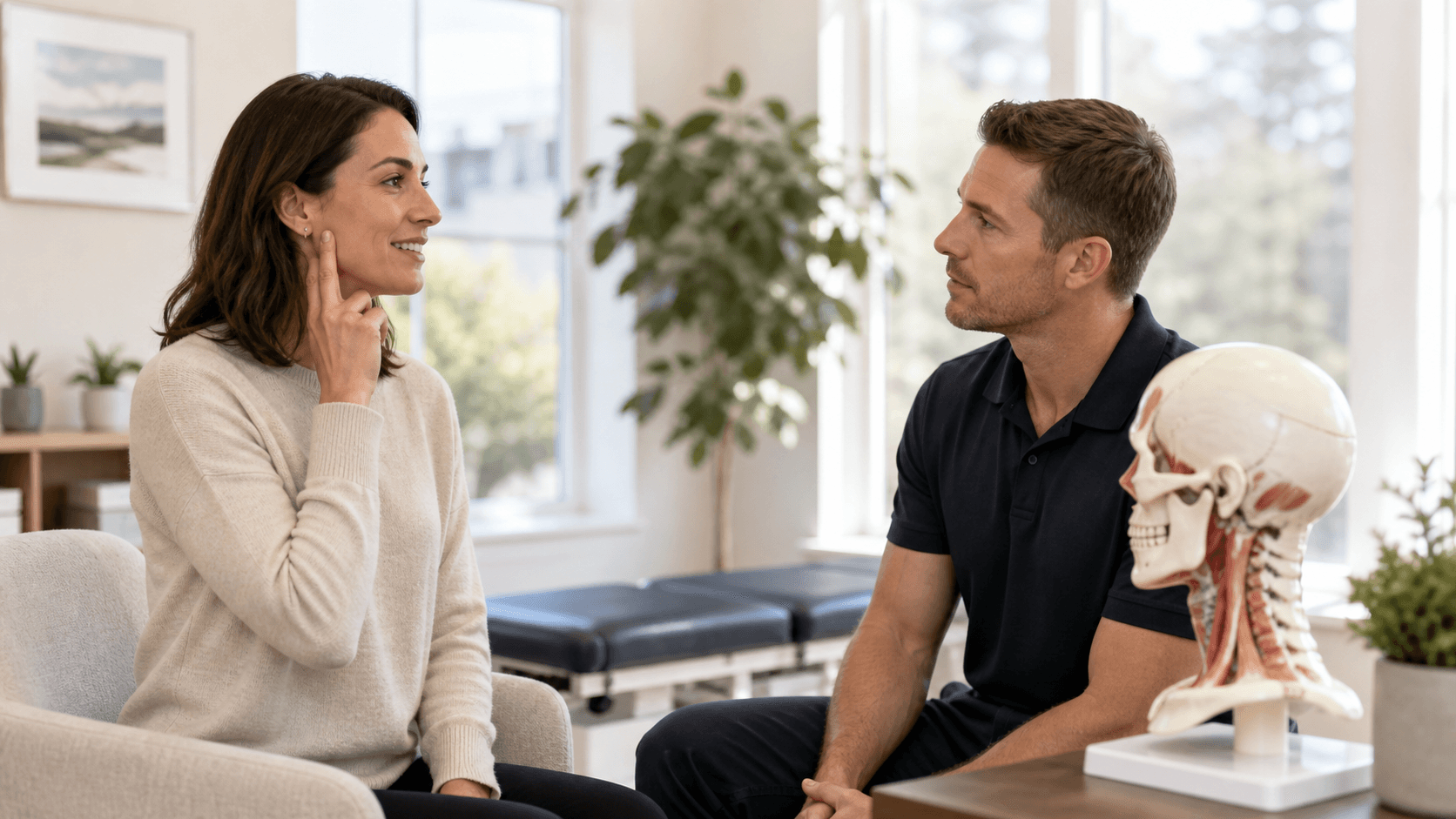
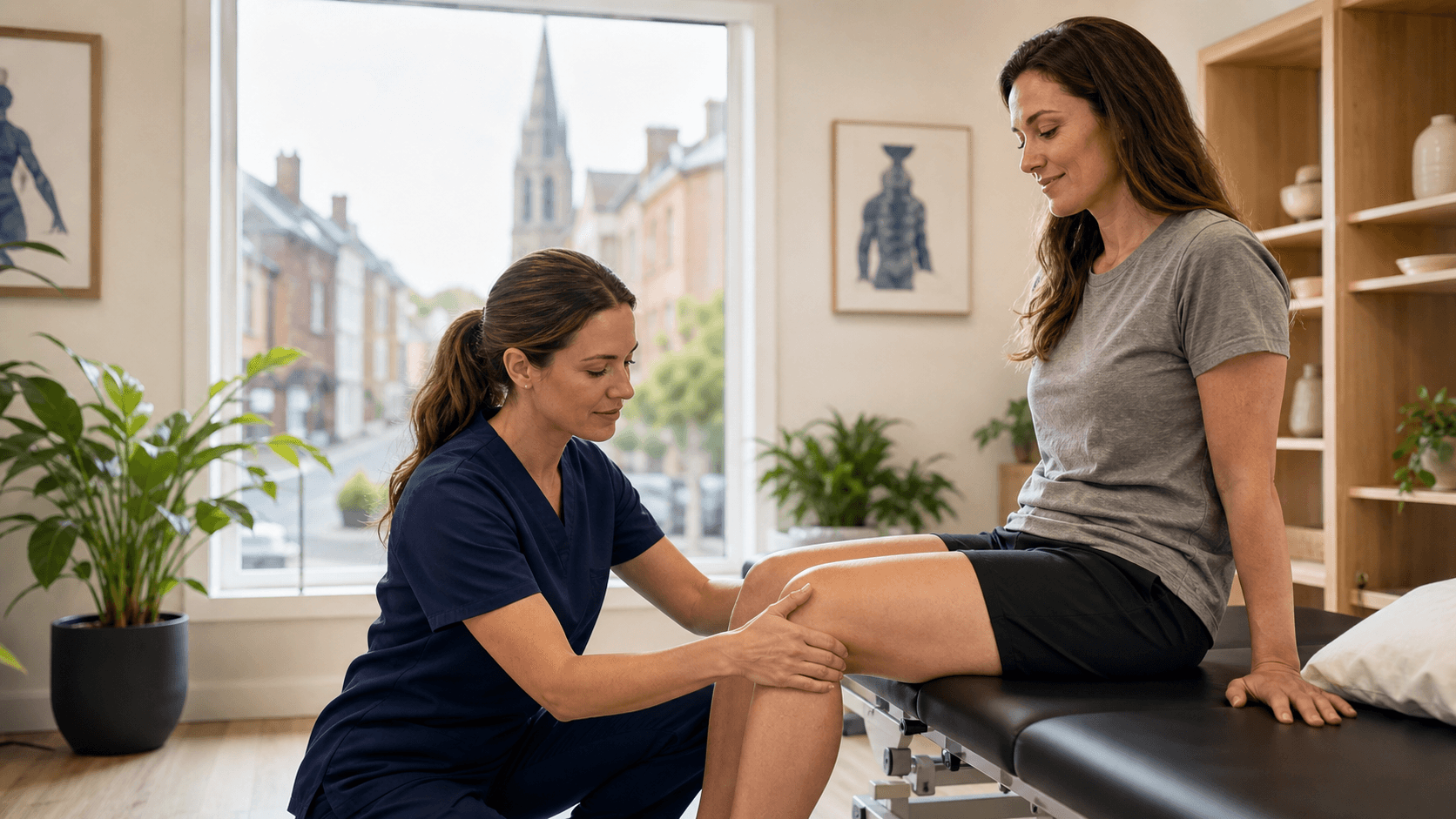
At The Chiropractic Studio in Lichfield, a knee assessment is not just a quick look at the joint. We take a detailed history of your symptoms, work, hobbies and past injuries. We then perform a movement and neurological examination to understand how your whole body is working together. From there, we explain our findings in clear, simple terms and discuss a plan that may include hands-on care, specific rehabilitative exercises and practical advice tailored to your lifestyle.
Sometimes further tests or referrals are appropriate, and chiropractic care can sit alongside support from your GP or other healthcare providers. The real aim is not only to reduce pain but to help you reach meaningful goals, such as walking comfortably around the city centre, keeping up with family activities, or returning to the sports and hobbies that make you feel like yourself again.
Take The First Step Towards Easier, More Comfortable Movement
If knee discomfort is stopping you from walking, exercising or enjoying daily life, we are here to help identify the cause and ease your symptoms. Explore our tailored approach to knee pain treatment in Lichfield and see how hands-on care at The Chiropractic Studio could support your recovery. If you are ready to discuss your concerns or book an appointment, simply contact us and we will guide you through the next steps.