Discover a Smarter Way to Heal Sports Injuries
Persistent sports niggles can be really draining. That hamstring that keeps grabbing, the calf that tightens halfway through every run, the shoulder that flares whenever you serve or lift, these all chip away at your confidence and enjoyment. Rest and stretching help a little, but as soon as you push your training, the same pain is back.
Often, the problem is deeper than simple "tight muscles". Repeated strain can create scar tissue, sticky adhesions and long-term muscle tension that normal stretching does not fully shift. That is where focused deep tissue massage, carried out by experienced clinicians, can help address what is actually going on in the soft tissues instead of just easing the surface ache.
This guide is for runners, cyclists, gym lovers and team sport players who are fed up with recurring injuries. We will look at why aches keep returning, how deep tissue massage in Lichfield can support recovery and how it fits into a wider, whole-person approach led by chiropractic care.
Why Sports Injuries Keep Coming Back
Many people do not get injured from a single dramatic moment. Problems usually build over time, because of patterns like:
- Overuse from long-distance running or frequent high-intensity classes
- Sudden spikes in training load before events or pre-season
- Poor recovery habits such as little sleep or long gaps between proper meals
- Muscle imbalances from sitting all day, then training hard in the evening
Inside the body, repeated load creates tiny micro tears in muscles and tendons. The body tries to repair them, but if you keep pushing through pain or never fully rest, that repair can be messy. Over time, you can develop:
- Ongoing low-level inflammation
- Muscles that "guard" by tightening up around a sore area
- Scar tissue and adhesions that glue layers of tissue together
- Restricted movement that then strains joints and nerves
That is when injuries become persistent. Common signs include:
- Pain that comes back as soon as you increase speed or distance
- Stiffness first thing in the morning or after sitting still
- A sense of weakness or loss of power in a limb
- Needing longer and longer warm-ups to feel "normal"
Manual therapy, including deep tissue massage, aims to change the quality of the soft tissue itself. When muscles, tendons and fascia slide and lengthen as they should, joints can move more freely. This can reduce the strain on irritated structures and support the work your body is already doing to heal.
How Deep Tissue Massage Supports Long Term Recovery
Deep tissue massage is not the same as a gentle spa massage. It uses slower, more focused techniques that work into the deeper layers of muscle and fascia. The goal is not pain for the sake of it, but to gradually break down stubborn adhesions and "knots" that limit normal movement.
For sports injuries, some key benefits can include:
- Better circulation so fresh blood and nutrients reach grumpy tissues
- Reduced muscle tension around an injured or overworked area
- Restoring more normal muscle length so joints move through a safer range
- Helping the body return to better movement patterns instead of compensating
Over time, this can mean you are not always overloading the same tendon or joint every time you train.
People often worry about the level of pressure. Deep tissue work can bring what many describe as "good discomfort", a strong sensation that still feels safe and controlled. Sharp, burning or "stop right now" pain is different, and a good therapist will adjust pressure and techniques if you feel that.
At The Chiropractic Studio, deep tissue massage in Lichfield is guided by a chiropractic assessment. That way, we are not just chasing sore spots; we are looking at how your whole body moves. Your sport, position, training load and upcoming events all shape the plan so sessions actually support what you want to do, not just what hurts today.
Tailoring Treatment to Your Sport and Goals
Different sports stress the body in different ways, especially when training volume rises. For example:
- Runners often struggle with calves, hamstrings, hips and lower backs
- Cyclists can feel tight in hip flexors, glutes, neck and shoulders
- Racquet sports load shoulders, forearms, upper backs and hips
- Field and court sports mix sprinting, twisting and contact, which can affect ankles, knees and lower backs
A deep tissue massage plan can be adapted around these demands. For a runner increasing mileage, we might spend more time on calves, feet and hips, and see you at key points in the training cycle. For a tennis or golf player, there may be extra focus on shoulders, rotator-cuff muscles, forearms and the mid-back to support rotation and control.
Integrated care is at the heart of what we do. Chiropractic adjustments can help joints move more freely and evenly. Deep tissue massage can then work on the muscles and fascia that have been gripping or adapting. Acupuncture may sometimes be used alongside to help calm pain and support the body's own recovery processes.
We also encourage people to think of care as proactive, not just reactive. Using deep tissue massage in Lichfield only when a flare-up is bad often means you are always chasing pain. Bringing it in as part of maintenance when training loads are higher can help keep tissues supple so they cope better with what you are asking of them.
What to Expect From Your First Session
Your first visit is about understanding you, not just your sore area. We will usually start by asking about:
- Your main sport or sports and how often you train
- Recent changes in training, such as new distances or extra sessions
- Your goals, from pain relief to performance or long-term mobility
- Any past injuries, surgeries or health issues that may affect treatment
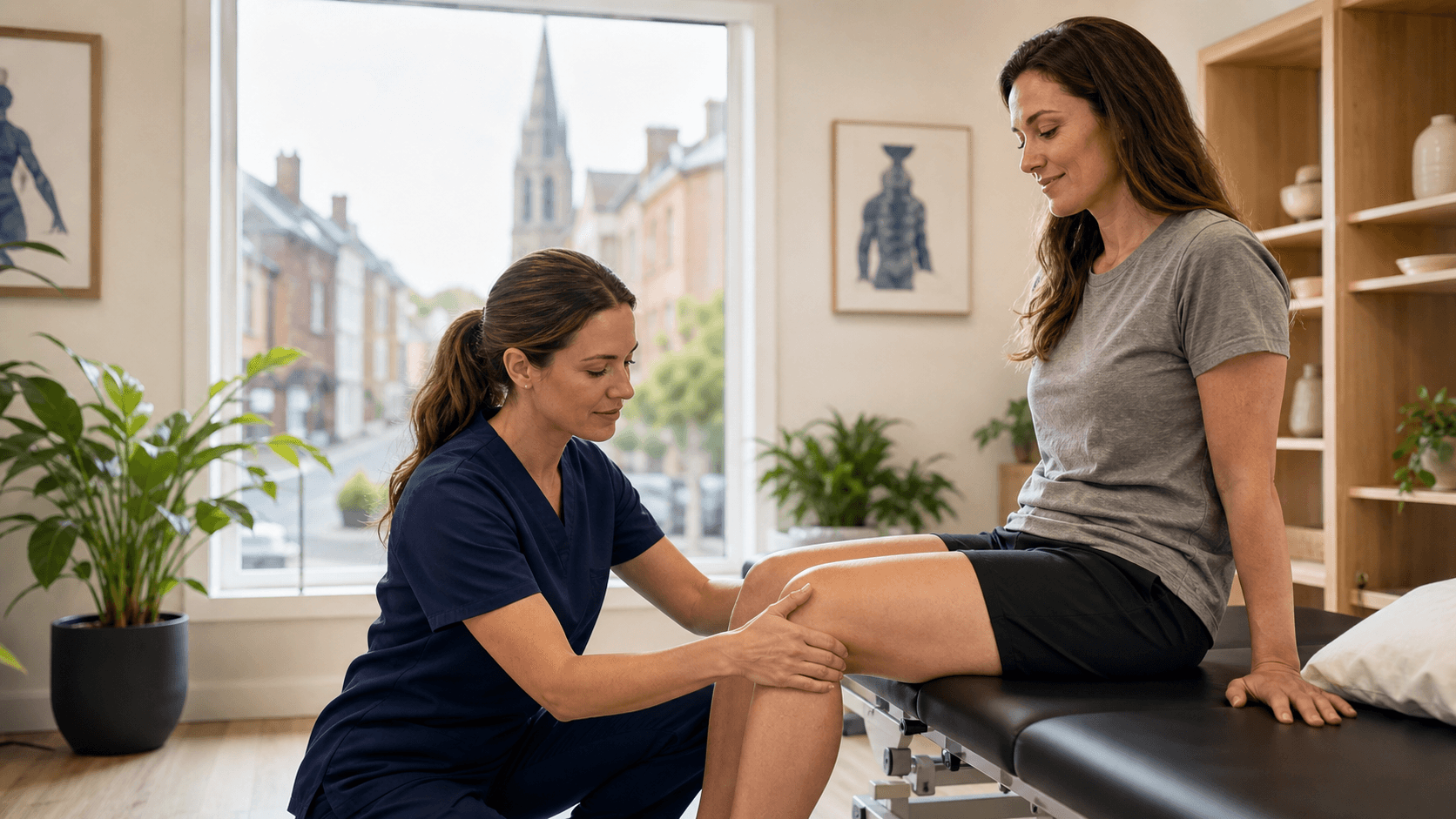
We then look at how you stand and move. This might include simple movements, checking where you feel tight, and gently pressing along muscles to feel for tension and trigger points.
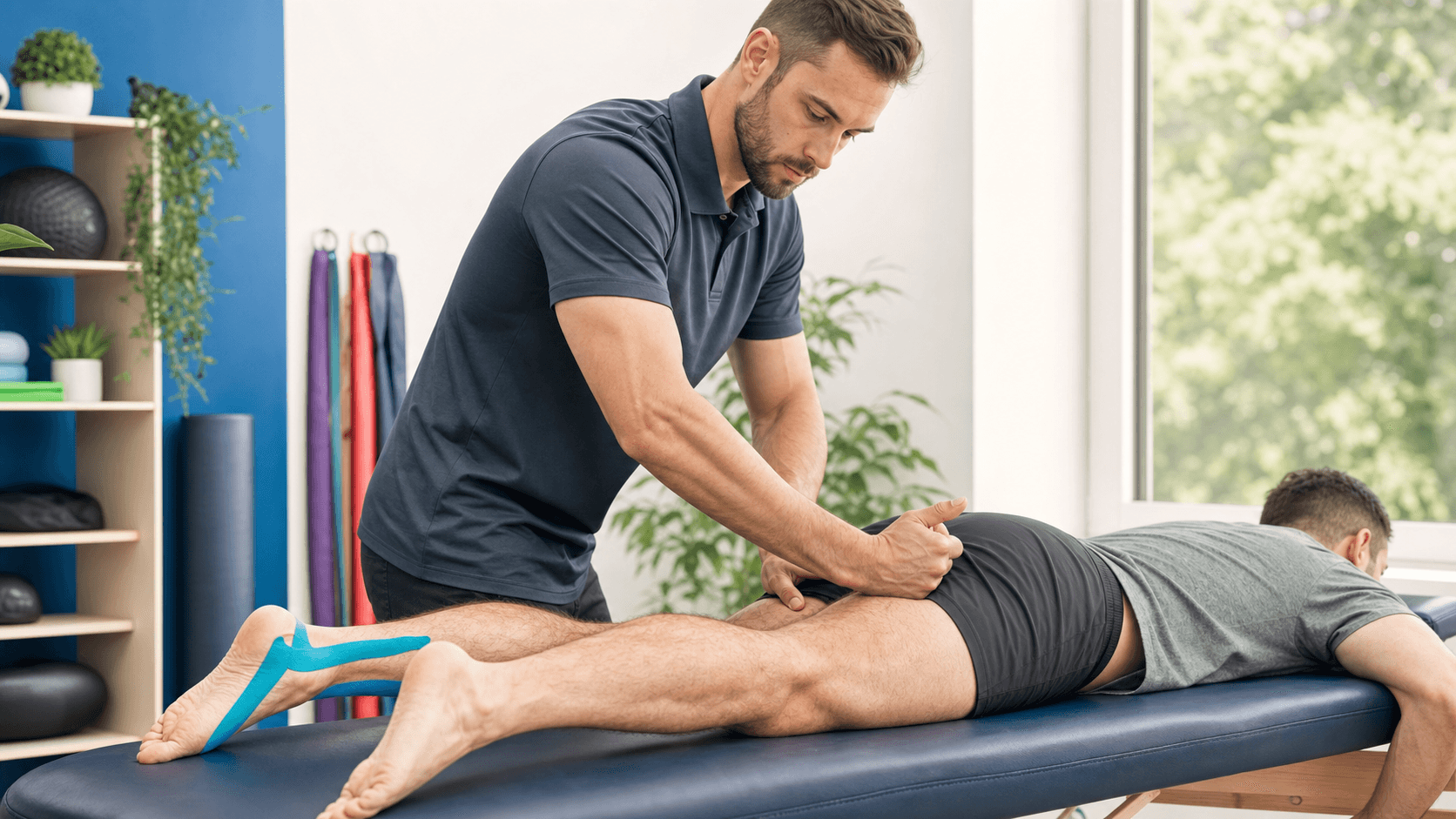
During a deep tissue massage session, we start by warming the tissues with lighter strokes so your muscles are ready for deeper work. Pressure is then slowly increased, and we work into and around problem areas rather than just on the tender spot itself. Throughout the session, we check in about intensity so it stays within a range that feels productive, not overwhelming.
Afterwards, many people feel lighter, looser or more aware of how they move. It is also normal to have mild soreness, similar to what you might feel after a good workout. Simple self-care usually includes:
- Drinking enough water
- Gentle movement like easy walking instead of complete rest
- Avoiding very intense training on the same day, if advised
Over follow-up sessions, we keep track of how things are changing. That might be:
- Better range of motion in a joint
- Less pain during or after your usual training
- Improved recovery times between sessions
These changes help guide how often you come in and which areas we focus on, so treatment stays relevant to your goals.
Take the Next Step Towards Pain-Managed Performance
Persistent sports injuries do not have to be something you just accept. When you address the deeper soft tissue changes, and not only the surface symptoms, you give your body a better chance to move well again. Targeted deep tissue work, combined with chiropractic assessment and other supportive methods, can help you train with more confidence.
At The Chiropractic Studio in Lichfield, we focus on whole-person care, not quick fixes. Coming prepared with your training plans, upcoming events and any past reports means we can build a plan that fits real life, not an ideal schedule. With the right support, you can aim for a more resilient, pain-managed season, whatever sport you love.
Relieve Persistent Muscle Tension And Move More Comfortably
If you are ready to address stubborn aches and tightness, our team at The Chiropractic Studio is here to help with tailored deep tissue massage in Lichfield. We will assess your needs, explain your options clearly and create a plan that fits your lifestyle and activity levels. To ask a question or arrange your first appointment, simply contact us and we will get back to you promptly.